
Whole Wheat Atta Chakki Plant Manufacturer

Whole Wheat Atta Chakki Plant by GrainPulses (GPEPL) — Complete Guide

GrainPulses (GPEPL) is a whole wheat atta chakki plant manufacturer that designs, supplies, and installs stone-grinding flour mill plants for businesses of all sizes — from small retail chakki units to large commercial atta production lines. Its plants use traditional stone-grinding (chakki) technology to retain the wheat’s natural bran, fiber, and nutrients, producing chakki-fresh atta that tastes and performs like traditionally ground flour.
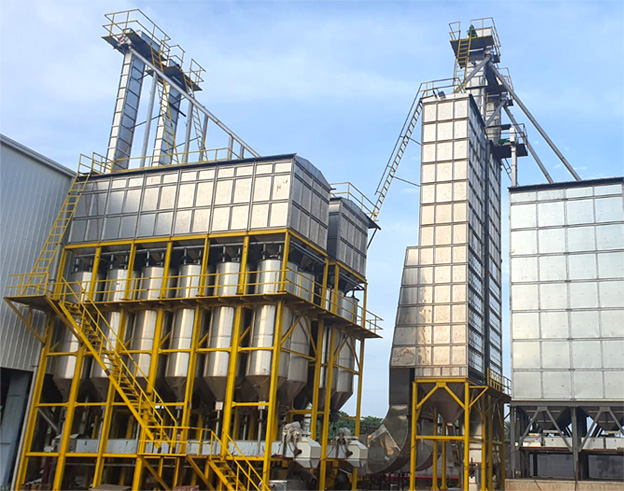

What Is a Whole Wheat Atta Chakki Plant?

A whole wheat atta chakki plant is a complete flour-milling setup that grinds whole wheat grains between stone wheels (chakki stones) instead of steel rollers. Unlike roller-mill flour, which separates and often discards the bran and germ, chakki grinding keeps the entire wheat kernel intact through the grinding process. This produces atta that is:

  • Higher in natural fiber
  • Richer in bran and wheat germ nutrients
  • Closer in taste and texture to homemade, traditionally ground flour

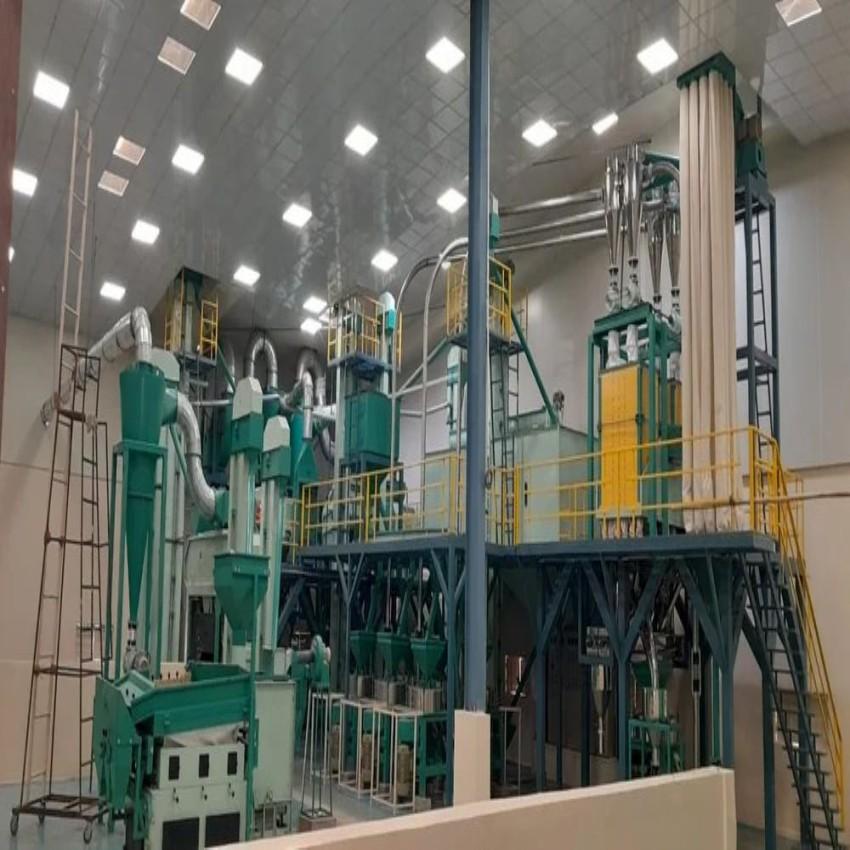
A complete plant typically includes grain cleaning and destoning units, a stone chakki grinding unit, a sieving/sifting section, and automated packing machinery — all engineered to work as one continuous production line.
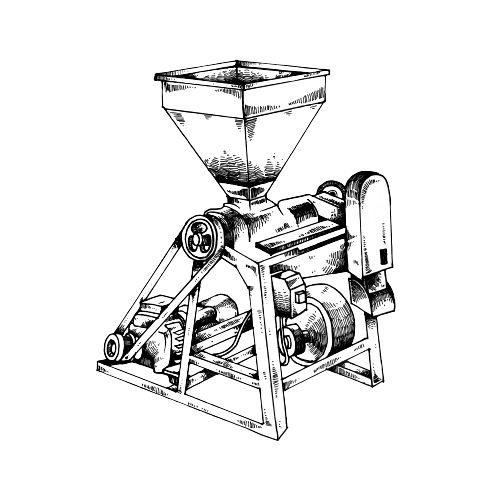
Core Components of a
GPEPL Atta Chakki Plant

Grain Cleaning Section

Removes dust, stones, and foreign material before grinding.

Stone Chakki Grinding Unit

The heart of the plant; grinds whole wheat between natural or emery stones for authentic texture.

Sieving & Grading Unit

Separates flour by fineness for consistent quality.

Packing & Weighing System

Automated or semi-automated packing for retail or bulk bags.

Control Panel

Monitors grinding temperature and output to protect nutrient quality.

Benefits of Investing in a Chakki Atta Plant

A smarter approach to producing fresh, nutritious and market-ready atta.

Retains natural nutrition

bran, fiber, and wheat germ stay in the flour.

Better taste and texture

closer to fresh, home-ground atta that customers recognize and prefer.

Lower processing heat

stone grinding runs cooler than high-speed roller mills, protecting natural nutrients.

Strong market demand

rising consumer preference for “chakki fresh” and less-processed atta creates a ready market.

Flexible business models

suitable for standalone retail chakki shops, packaged atta brands, or B2B flour supply.

Who Should Set Up an Atta Chakki Plant?
01 Packaged Atta Entrepreneurs

Entrepreneurs entering the packaged atta and flour business.

02 Existing Flour Mills

Existing mills upgrading to modern stone-grinding technology.

03 Retail Chakki Shops

Retail shops scaling from traditional grinding to semi-automated production.

04 FMCG & Agri-Businesses

Companies adding a private-label atta product line.

Frequently Asked Questions

What is the difference between chakki atta and roller mill atta?
Chakki atta is ground using stone wheels that keep the bran, fiber, and germ intact, while roller mill atta is processed through steel rollers that often separate and remove parts of the bran layer. This makes chakki atta generally higher in fiber and closer to traditional home-ground flour.
Does GrainPulses (GPEPL) provide the full plant or only machinery?
GPEPL provides complete whole wheat atta chakki plant solutions — covering grain cleaning, stone grinding, sieving, and packing — rather than standalone machines, so the plant can run as one integrated production line.
Can the plant capacity be customized?
Yes, GPEPL’s atta chakki plants are designed to be configured across different capacity ranges, suiting small retail setups as well as larger commercial production requirements.
Is stone-ground atta healthier than regular atta?
Stone grinding keeps the whole wheat kernel — including bran and germ — in the final flour and grinds at lower speeds and heat, which helps preserve natural fiber and nutrients better than high-speed roller milling.
What support does GPEPL offer after plant installation?
GPEPL supports installation and commissioning to help ensure the plant is set up correctly and ready for production.